
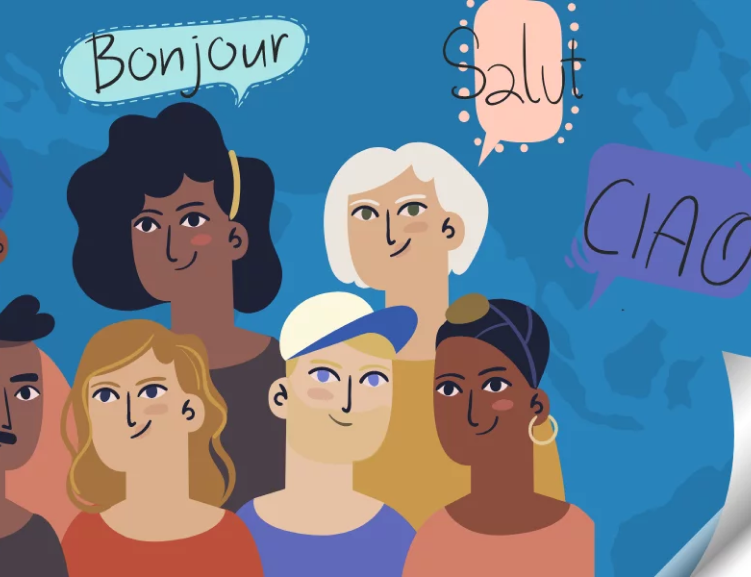
In recent years, there has been a significant shift in the way society discusses and addresses mental health issues. While progress has been made in reducing stigma and increasing awareness, there is still much work to be done. Language plays a crucial role in shaping attitudes, perceptions, and policies surrounding mental health. In this article, we'll explore the power of language in mental health advocacy and how individuals and organizations can use their words to break the silence and drive positive change.
Language has the power to either perpetuate stigma or challenge societal attitudes towards mental health. Negative language and stereotypes can further marginalize individuals struggling with mental health issues, leading to feelings of shame, isolation, and discrimination. On the other hand, positive, inclusive language can foster empathy, understanding, and acceptance, creating a supportive environment for those affected by mental illness.
Advocates and allies play a crucial role in challenging stigma and promoting mental health awareness through their words and actions. Here are some ways language can be used to break the silence surrounding mental health:
- Promoting Empathy and Understanding: Using empathetic language and sharing personal stories can humanize mental health issues and help others understand the lived experiences of those affected. By sharing stories of resilience, recovery, and hope, advocates can inspire others to seek help and support.
- Avoiding Stigmatizing Language: Language that labels, stereotypes, or trivializes mental health conditions can reinforce stigma and discrimination. It's essential to avoid using derogatory terms or phrases that may perpetuate negative stereotypes and instead use person-first language that emphasizes the individual's humanity rather than their diagnosis.
- Educating and Raising Awareness: Language can be a powerful tool for raising awareness and educating the public about mental health issues. By using clear, non-judgmental language and providing accurate information about symptoms, treatment options, and available resources, advocates can help dispel myths and misconceptions surrounding mental illness.
Initiate open, honest conversations about mental health in your personal and professional circles. By sharing your own experiences or knowledge, you can create safe spaces for others to share their struggles and seek support.
Speak out against stigma and discrimination whenever you encounter it. Whether it's in casual conversations, social media interactions, or workplace policies, challenge harmful stereotypes and advocate for a more compassionate and inclusive approach to mental health.
Get involved in mental health advocacy organizations, campaigns, and initiatives that promote awareness, education, and support for those affected by mental illness. By volunteering your time, expertise, or resources, you can contribute to meaningful change in your community.
Take care of your own mental health and practice self-compassion. Recognize that it's okay to ask for help when you need it and prioritize self-care activities that promote your well-being. By practicing self-compassion, you set an example for others and contribute to a culture of kindness and acceptance.
In conclusion, language has the power to shape perceptions, challenge stigma, and drive positive change in mental health advocacy. By using our words mindfully and intentionally, we can break the silence surrounding mental health and create a more compassionate and inclusive society for all.
Join the conversation on mental health advocacy with my latest article, "Breaking the Silence: The Power of Language in Mental Health Advocacy." 🗣️💬 Explore how language can challenge stigma, promote empathy, and drive positive change in our communities. #MentalHealth #Advocacy #EndTheStigma #LanguageMatters #LinkedInArticle
Read the full article here.
Discover how bilingualism enhances cognitive abilities at Endeavour Speech, Pune.
Read MoreHow language learning drives academic excellence at Endeavour Speech.
Read MoreIncorporate language learning into daily routine at Endeavour Speech.
Read MoreBreaking barriers: Women's contributions to language studies at Endeavour Speech.
Read MoreTake the next step
Explore practical language training in Spoken English, Japanese, German and French at Endeavour Speech, Wakad, Pune.