At Endeavour Speech in Wakad, Pune, we understand that effective communication is the foundation of global scientific progress. With over 17 years of excellence in language education, we recognize how language proficiency enables researchers to collaborate across borders. In the realm of scientific exploration, collaboration knows no borders. As researchers, institutions, and professionals join forces on a global scale, language becomes a crucial factor in building bridges across diverse linguistic landscapes. In this comprehensive guide, we'll explore the pivotal role of "Language in International Collaboration in Science," examining its significance, challenges faced, and strategies for fostering effective communication in the pursuit of shared scientific goals.
Science, as a universal endeavor, thrives on collaboration and the exchange of ideas. English has emerged as the lingua franca of international scientific communication, facilitating collaboration among researchers from different linguistic backgrounds. The global language of science enables professionals to share findings, collaborate on projects, and contribute to the collective knowledge base. Enhance your English for research →
While English serves as a common ground, language barriers can still pose challenges in international collaboration. Researchers who are not native English speakers may face difficulties in articulating their ideas precisely, potentially leading to misunderstandings. Overcoming language barriers requires a commitment to clear communication, patience, and a recognition of diverse linguistic abilities. Improve your spoken English →
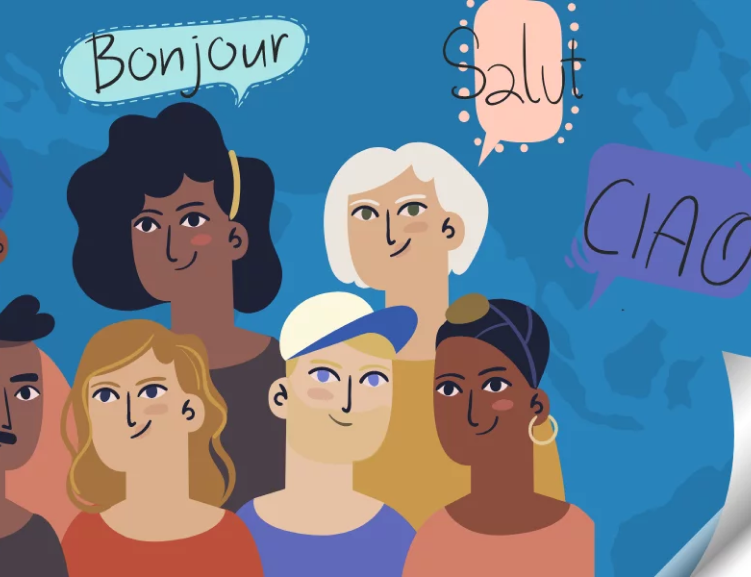
International collaboration in science is not a one-size-fits-all model. Embracing multilingualism as a strength rather than a challenge enriches the collaborative landscape. Institutions and researchers can leverage diverse linguistic skills to access a broader pool of knowledge, perspectives, and approaches, fostering a more comprehensive understanding of scientific challenges. Learn French for research →
Effective collaboration extends beyond scientific discussions to encompass ethical considerations. Language plays a critical role in articulating and understanding research ethics. Cultural nuances and contextual variations in ethical frameworks require clear and culturally sensitive communication to ensure that all collaborators share a common understanding of ethical standards.
In the spirit of inclusivity, institutions engaged in international collaboration often employ translation and interpretation services. These services bridge linguistic gaps, ensuring that all team members can actively participate in discussions, contribute insights, and comprehend critical information. The use of translation and interpretation fosters an environment where language is an enabler, not a barrier. Explore German for science →
International collaborations often result in research findings with global implications. Communicating these findings to diverse audiences requires thoughtful consideration of language and cultural contexts. Adapting scientific communication to resonate with different linguistic and cultural backgrounds ensures that the impact of research extends beyond academic circles.
Advancements in digital tools further enhance international collaboration in science. Collaborative platforms, real-time translation services, and virtual meeting technologies facilitate seamless communication across borders. Leveraging these tools optimizes collaboration, allowing researchers to focus on the scientific endeavor rather than grappling with language barriers. Learn Japanese for tech collaboration →
Clear communication protocols are foundational to successful international collaboration. Establishing guidelines for effective communication, defining expectations regarding language proficiency, and encouraging open dialogue contribute to a collaborative environment where language becomes a facilitator rather than a hurdle. Learn about our approach →
Recognizing the importance of language in international collaboration, institutions can implement inclusive training and support programs. These initiatives may include language courses, cultural sensitivity training, and resources for effective communication. Investing in the linguistic proficiency of researchers promotes a collaborative atmosphere where diverse voices are heard and valued. Explore our training programs →
At its core, successful international collaboration in science requires embracing a global mindset. This entails acknowledging and respecting linguistic and cultural diversity, valuing contributions from researchers worldwide, and actively working towards creating an inclusive and accessible scientific community.
Looking ahead, the future of language in global science collaboration is intertwined with ongoing advancements in communication technologies and a growing recognition of diversity. As the scientific community continues to expand its global reach, language will remain a dynamic force in shaping collaborative endeavors and propelling scientific progress.
In conclusion, language is not merely a tool for communication in international collaboration in science; it is a catalyst for collaborative excellence. By acknowledging the role of language, addressing challenges, and fostering an environment that embraces linguistic diversity, the scientific community can build bridges that span continents, uniting researchers in the shared pursuit of knowledge.
Ready to enhance your language skills for international collaboration? Contact Endeavour Speech today and take the first step toward global scientific communication. With 17+ years of excellence in language education in Wakad, Pune, we're here to help you succeed.
In the vibrant tapestry of global travel, language transcends being a mere means of communication
In the dynamic realm of social entrepreneurship, where the impact transcends borders and cultures, language learning
In our interconnected global landscape, where diversity is celebrated and professional opportunities
Take the next step
Explore practical language training in Spoken English, Japanese, German and French at Endeavour Speech, Wakad, Pune.