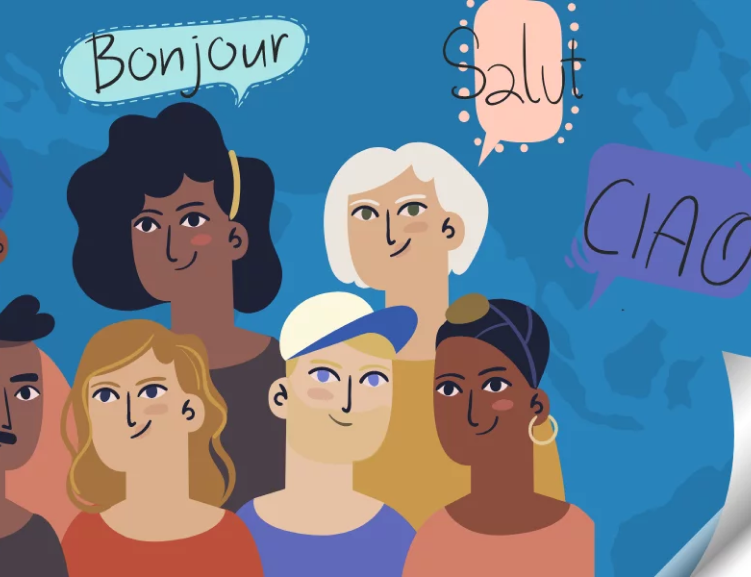
In our increasingly interconnected and multicultural world, the ability to navigate multiple languages has become a valuable skill that extends beyond linguistic proficiency. Code-switching, the practice of alternating between two or more languages in conversation, is a dynamic and natural aspect of everyday life for many individuals. In this exploration of "Code-Switching: Navigating Multiple Languages in Everyday Life," we'll unravel the significance, strategies, and transformative impact of seamlessly moving between languages in diverse social and cultural contexts.
Code-switching is not confined to linguistic diversity alone; it encompasses a rich tapestry of cultural nuances, identity expressions, and social dynamics. Individuals who engage in code-switching move effortlessly between languages, adapting their communication to suit the context, audience, and cultural norms. This dynamic linguistic dance is a reflection of the interconnectedness of language and culture in the mosaic of human communication.
Code-switching often has deep cultural roots, reflecting the multicultural backgrounds and experiences of individuals. It can be influenced by factors such as family upbringing, geographical location, and exposure to different linguistic communities. Understanding the cultural roots of code-switching provides insights into the complex interplay of identity, heritage, and linguistic fluidity.
In social settings, code-switching serves as a powerful tool for linguistic adaptation. Individuals effortlessly transition between languages based on the composition of the group, the formality of the conversation, or the cultural context. This linguistic flexibility fosters a sense of inclusivity, allowing individuals to engage comfortably with diverse communities and navigate social dynamics with ease.
In the professional realm, code-switching takes on a strategic dimension. Professionals adept at code-switching can navigate diverse workplace environments, adjusting their language and communication style to suit professional expectations. This skill is particularly valuable in multicultural workplaces, where effective communication contributes to collaboration and a harmonious work environment.
Educational settings provide a fertile ground for code-switching, especially in multilingual and multicultural classrooms. Educators and students alike may seamlessly transition between languages to enhance understanding, clarify concepts, or accommodate diverse linguistic backgrounds. Code-switching fosters an inclusive learning environment that recognizes and respects the linguistic diversity of the educational community.
In bilingual or multilingual families, code-switching is a common and natural phenomenon. Children growing up in such environments effortlessly adapt their language use based on the linguistic preferences of family members, the context of the conversation, and their own evolving language development. Code-switching becomes a dynamic and integral part of familial communication.
Code-switching is not only a practical linguistic tool but also a means of expressing identity. Individuals may code-switch to align with specific cultural or ethnic affiliations, emphasizing a particular aspect of their identity in different contexts. This intentional language choice contributes to the rich and nuanced expression of personal and communal identity.
Despite its prevalence, code-switching can face challenges and stereotypes. Some individuals may encounter misconceptions that associate code-switching with a lack of proficiency or authenticity in either language. Addressing these stereotypes involves recognizing code-switching as a skill that reflects linguistic versatility and cultural adaptability rather than a limitation.
Embracing linguistic diversity is central to understanding and appreciating code-switching. Rather than viewing it as a deviation from linguistic norms, recognizing code-switching as a natural and enriching aspect of communication fosters a more inclusive and tolerant perspective. Celebrating linguistic diversity in code-switching contributes to a global dialogue that values the richness of multilingualism.
In a rapidly globalizing world, the future of code-switching holds exciting possibilities. As communication technologies continue to connect people across borders, code-switching may become even more prevalent and dynamic. Virtual spaces, online communities, and digital platforms provide new avenues for individuals to navigate multiple languages and cultures seamlessly.
In conclusion, "Code-Switching: Navigating Multiple Languages in Everyday Life" celebrates the dynamic and cultural connector that is code-switching. Far from being a linguistic anomaly, code-switching is a testament to the adaptability and fluidity of human communication. By embracing code-switching, we not only navigate diverse linguistic landscapes but also contribute to a global dialogue that celebrates the richness of language and culture.
In the vibrant tapestry of global travel, language transcends being a mere means of communication
In the dynamic realm of social entrepreneurship, where the impact transcends borders and cultures, language learning
In our interconnected global landscape, where diversity is celebrated and professional opportunities
Take the next step
Explore practical language training in Spoken English, Japanese, German and French at Endeavour Speech, Wakad, Pune.